

Radiator and Cooling Service
Cooling Service & Repair in Steger, New Lenox, Schererville, and Crown Point
Your vehicle’s cooling system is responsible for maintaining a healthy temperature while driving. Without it, our cars would quickly overheat and cause catastrophic engine damage.
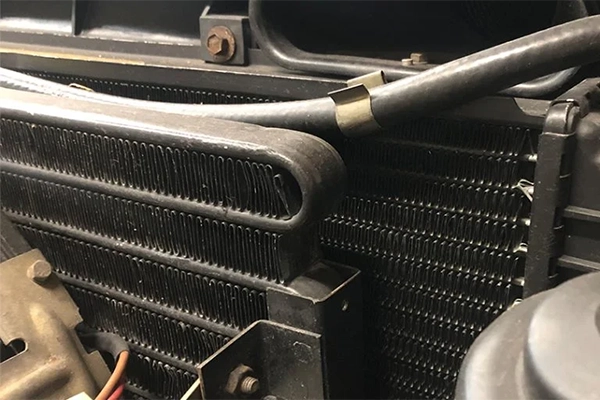
Radiator & Cooling Service at Scott’s U-Save
Over time though, your vehicle’s cooling system is exposed to harsh road conditions and extreme temperatures. As these parts wear down, they can begin to develop leaks or lose their effectiveness. This can cause major issues down the line, as the engine will not be properly cooled and may begin to be permanently damaged.
A car with a faulty cooling system or leaking coolant may experience symptoms such as:
The Parts That Keep Your Engine Cool
- Radiator: releases engine heat into the air passing through the front of the car
- Water pump: circulates coolant through the engine, radiator, and heater core
- Thermostat: controls when coolant flows to the radiator so the engine warms up and stays at the right temperature
- Hoses and clamps: carry coolant between components; they soften and crack with age
- Cooling fans: pull air through the radiator when you’re stopped or moving slowly
- Coolant (antifreeze): absorbs heat, prevents freezing, and protects against corrosion
Why Coolant Needs Changing
Coolant does more than prevent freezing. It contains additives that protect metal parts from rust and corrosion, and those additives wear out over time. Old coolant can eat away at the radiator, water pump, and heater core from the inside. A coolant flush removes old fluid and deposits and refills the system with the correct coolant type for your vehicle.
What to Do If Your Engine Overheats
- Turn off the A/C and turn the heater on full to pull heat away from the engine
- Pull over safely and shut the engine off as soon as you can
- Never open the radiator cap on a hot engine, since pressurized coolant can cause serious burns
- Call for help and have the vehicle checked before driving further
Driving an overheating engine even a few miles can warp the cylinder head or blow a head gasket.
The teams of ASE-Certified technicians at Scott’s U-Save have the skills and knowledge to diagnose, service, and repair the cooling system in your vehicle. Whether you need a radiator replacement, a new water pump, or just a leak fixed, the teams at our locations in New Lenox, IL;, Schererville, IN; Steger, IL; and Crown Point, IN have you covered. Call or schedule an appointment with us online today!
Frequently Asked Questions
How often should I flush my coolant?
It varies widely. Some vehicles call for it every 30,000 miles, while many newer long-life coolants last 100,000 miles or more. Check your owner’s manual or ask us to test your coolant’s condition.
Can I just add water to my radiator?
In an emergency, water will get you to the shop. Long term, water alone won’t protect against freezing or corrosion, so the system should be refilled with the correct coolant mix.
Does it matter what color coolant I use?
Yes. Different coolant types aren’t always compatible, and color alone isn’t a reliable guide. Mixing the wrong types can cause sludge and corrosion, so we use the coolant specified for your vehicle.
Why does my car smell sweet?
A sweet, syrupy smell usually means coolant is leaking, possibly from a hose, the radiator, the water pump, or the heater core. Have it checked soon, since coolant loss leads to overheating.
Why is my car overheating in traffic but fine on the highway?
That often points to a cooling fan problem. At highway speeds, air flows through the radiator on its own; at a stop, the fan has to do that job.