

Winter driving in Steger and New Lenox, Illinois, can bring freezing temperatures, snow-covered roads, icy intersections, and plenty of road salt. These conditions put extra strain on your vehicle’s battery, tires, brakes, and other essential systems.
A little preparation can help you avoid unexpected breakdowns and make your daily commute more manageable when winter weather arrives. Whether you’re driving to work, running errands around town, or traveling along local highways, use this winter car care checklist to get your vehicle ready for the season.
1. Test Your Car Battery
Cold weather makes starting an engine more demanding. At the same time, a cold battery has less available starting power, which can leave an aging or weakened battery unable to turn the engine over.
Before temperatures drop further, have your battery and charging system tested. This is especially important if your vehicle cranks slowly, the battery is several years old, or you’ve needed a jump-start recently.
During an inspection, a technician can check battery condition, charging voltage, terminal connections, and corrosion. If the battery cannot hold an adequate charge, replacing it before a winter breakdown may save you an inconvenient roadside call.
Keep jumper cables or a compatible jump starter in your vehicle, but follow the manufacturer’s instructions when connecting either device.
2. Inspect Your Tires
Your tires are your vehicle’s only contact with the road, making their condition particularly important during an Illinois winter.
Start by checking tire pressure when the tires are cold. As temperatures fall, tire pressure typically decreases. Use the recommended pressure listed on the driver’s door-jamb label, and check all four tires regularly.
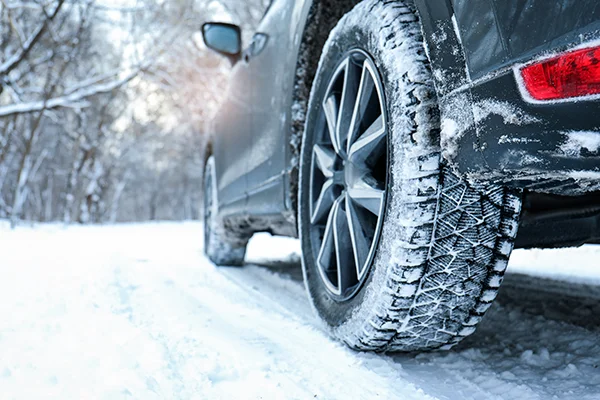
Next, inspect tread depth and look for cracks, bulges, punctures, or uneven wear. Worn tread can reduce traction on wet, snowy, and slushy pavement.
Consider these tire maintenance steps:
- Check tire pressure at least monthly and when temperatures change significantly.
- Replace tires that have reached their wear limits or show damage.
- Have uneven tread wear inspected for possible alignment or suspension problems.
- Consider winter tires if you frequently drive on snow-covered or icy roads.
All-season tires can work well in many conditions when they have adequate tread, but winter tires can provide additional traction in colder weather. Your driving habits and typical road conditions should guide your decision.
3. Check Your Brakes
Reliable brakes are essential when roads become slippery. Snow and ice can increase stopping distances, so worn brake pads, damaged rotors, or other braking problems deserve attention before winter travel becomes routine.
Listen for grinding or persistent squealing, and pay attention to vibration when braking. A vehicle that pulls to one side or has an unusually soft brake pedal should also be inspected.
A professional brake inspection can identify worn pads, rotor damage, leaking brake components, or other issues that may affect stopping performance.
If your brakes make a grinding noise, your pedal feels abnormal, or your vehicle has trouble stopping, arrange an inspection promptly. Do not continue driving if braking performance is seriously impaired.
4. Replace Worn Wipers and Use Winter Washer Fluid
Snow, road salt, and slush can quickly cover your windshield during winter driving around Steger and New Lenox.
Worn wiper blades may leave streaks or fail to clear water effectively. Replace them if the rubber is cracked, the blades skip across the glass, or visibility remains poor after each swipe.
Fill the washer reservoir with a winter-rated fluid designed to resist freezing at the temperatures your vehicle may encounter. Summer washer fluid can freeze in the reservoir or lines, leaving you unable to clear road grime.
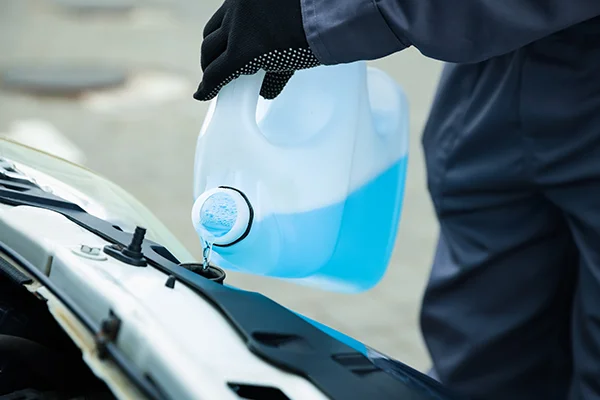
Keep an ice scraper and snow brush in your vehicle. Clear snow and ice from the windshield, windows, mirrors, headlights, and roof before driving. Snow left on the roof can slide onto the windshield or blow toward other vehicles.
5. Inspect Coolant, Belts, and Hoses
Your cooling system helps regulate engine temperature and protects against freezing when the correct coolant is used at the proper concentration.
Have your coolant’s freeze protection checked if you are unsure whether it is suitable for local winter temperatures. Use the coolant specification recommended by your vehicle manufacturer.
A technician can also inspect hoses, clamps, the radiator, and related components for leaks or deterioration.
Watch for low coolant warnings, visible leaks, or an engine temperature gauge that rises above its normal range. Never open a hot radiator or pressurized coolant reservoir because escaping coolant can cause serious burns.
6. Make Sure Your Heater and Defrosters Work
A working heater keeps the cabin comfortable, while effective defrosters help maintain clear windows.
Test your heating system before the coldest weather arrives. Check that the blower fan operates correctly and that warm air reaches the expected vents.
If the heater produces little warmth, the windows remain fogged, or airflow is weak, arrange an inspection. Possible causes include low coolant, a thermostat problem, a restricted heater core, or a faulty air distribution component.
Good visibility is essential for winter driving, so address defroster problems before they become a daily frustration.
7. Check Your Headlights and Other Exterior Lights
Short winter days mean more driving in darkness. Snow, rain, and road spray can also make it harder for other motorists to see your vehicle.
Check your headlights, brake lights, turn signals, taillights, and hazard lights. Clean dirty lenses and replace failed bulbs with the correct type.
If your headlights are dim or poorly aimed, have them inspected. Proper lighting helps you see road hazards and makes your vehicle more visible to other drivers.
8. Protect Your Vehicle From Road Salt
Road salt helps control ice, but it can accelerate corrosion on exposed metal surfaces and underbody components.
During winter, wash your vehicle periodically when temperatures and conditions allow. Pay particular attention to the undercarriage, wheel wells, and areas where salt and slush collect.
An underbody rinse can help remove accumulated road salt. Regular cleaning is especially useful after driving through heavily treated roads.
9. Keep a Winter Emergency Kit in Your Car
Even a well-maintained vehicle can experience a breakdown or get stuck during a winter storm. Keep essential supplies in your vehicle so you can respond to unexpected delays.
Your winter emergency kit should include:
- Ice scraper and snow brush
- Warm gloves, hats, and blankets
- Flashlight and spare batteries
- Jumper cables or a suitable jump starter
- First-aid kit
- Phone charger or power bank
- Small shovel and traction material
- Drinking water and nonperishable snacks
- Reflective warning devices
Keep your fuel tank reasonably full during severe winter weather, and check local road conditions before traveling during a storm.
Winter Car Maintenance & Prep at Scott’s U-Save
Preparing your vehicle for winter can help reduce the risk of battery failures, tire problems, poor visibility, and other cold-weather issues.
If your car is due for maintenance, or you want to make sure it is ready for snow and freezing temperatures, reach out to the trusted team at Scott’s U-Save! We have locations in New Lenox, Steger, Schererville, and Crown Point; all equipped with the experience and equipment needed to ensure your vehicle is prepared for whatever this winter season throws at it.